What Is Malbec?
Malbec is a bold, deeply colored red wine grape that has become one of the most popular reds in the world — and for very good reason. It delivers rich flavors of dark fruit, a soft velvety texture, and just enough structure to feel satisfying without being intimidating. If you are newer to red wine and want something crowd-pleasing and versatile, Malbec is an excellent place to start.
Technically, Malbec is one of the six permitted grape varieties in Bordeaux, France, where it is also known as Côt or Auxerrois. But it truly found its calling halfway around the world, in Argentina, where it has flourished into a national icon.
Where Does Malbec Come From?
Argentina: The World Capital of Malbec
When French immigrants brought Malbec cuttings to Argentina in the mid-1800s, they could not have predicted what would happen. The high-altitude vineyards of Mendoza — sitting over 3,000 feet above sea level at the foot of the Andes — turned out to be almost perfectly suited to the grape. Intense sunshine ripens the fruit fully, while cool nights preserve freshness and acidity. The result is a wine that is ripe and lush but never heavy or flat.
Within Mendoza, the sub-region of Luján de Cuyo is often considered the spiritual home of premium Argentine Malbec, producing wines with impressive depth and aging potential. Valle de Uco, at even higher elevations, is exciting wine lovers with more elegant, structured expressions of the grape.
Other Argentine provinces like Salta, Patagonia, and La Rioja also produce Malbec worth exploring, each with a slightly different personality shaped by their unique climates.
France: The Original Home
In France, Malbec's heartland is Cahors, in the southwest. Here it produces a dramatically different style — darker, more tannic, earthier, and often described as leathery or mineral. Cahors Malbec (locally called "the black wine") rewards patience and tends to need more time in the bottle to soften. It is a fascinating contrast to its Argentine cousin and well worth seeking out once you have explored both styles.
What Does Malbec Taste Like?
Argentine Malbec is known for its generous, fruit-forward character. Here is what you can typically expect in the glass:
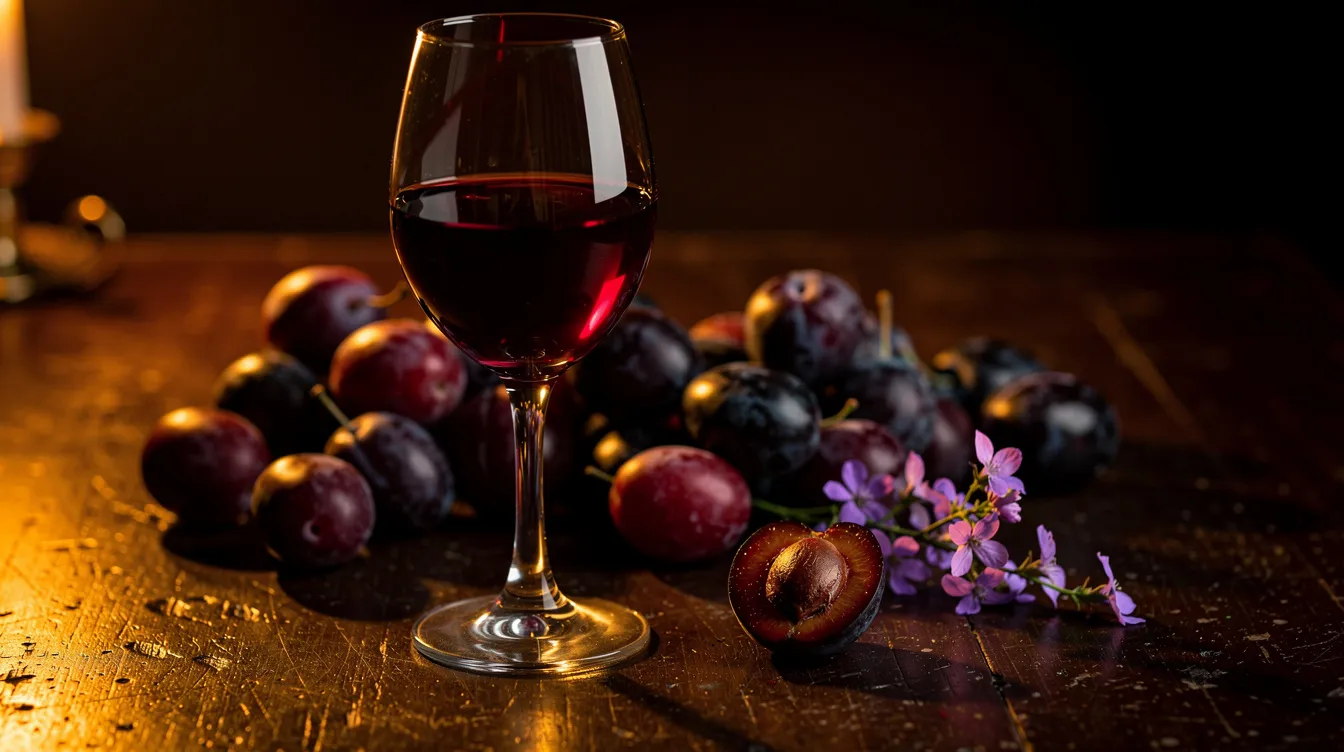
- Aromas: Black plum, blackberry, blueberry, dark cherry, and violet flowers — with hints of cocoa, tobacco, and sometimes a whisper of mocha or vanilla if the wine has seen oak.
- Palate: Soft, velvety tannins, medium to full body, and flavors that echo the nose — dark fruit, a touch of spice, and often a chocolate or coffee note on the mid-palate.
- Finish: Generally smooth and lingering, with a pleasant warmth. Higher-altitude wines tend to show more freshness and a longer, slightly more structured finish.
French Cahors Malbec leans earthier and more savory — think leather, dried herbs, tobacco, and black olive alongside the dark fruit. Both styles are genuinely rewarding; they just suit different moods and meals.
Malbec and Food: What to Eat With It
One of Malbec's greatest strengths is how well it pairs with food. Its fruit-forward richness and soft tannins make it one of the most food-friendly reds available. Here are some reliable combinations:
- Grilled and barbecued meats — This is the classic pairing. Argentine Malbec alongside a grilled ribeye or asado (Argentine-style barbecue) is one of wine's great matches.
- Burgers and pulled pork — The wine's richness stands up to bold, smoky flavors beautifully.
- Lamb — Roasted or braised lamb is a natural partner, especially with a slightly more structured Malbec.
- Hard, aged cheeses — Think aged cheddar, manchego, or Parmesan. The fat in the cheese softens the wine's tannins.
- Mushroom-based dishes — Earthy mushrooms echo the wine's savory, cocoa-tinged notes.
- Dark chocolate — A small square of 70% dark chocolate with a glass of Malbec is a simple and surprisingly delightful pairing.
For a deeper look at how to match wine with what you are cooking tonight, our wine and food pairing guide is a great next read.
How to Choose a Good Malbec
The good news: Malbec is widely available, and quality is reliably high across a broad price range. Here are a few tips to guide your selection:
- Look for Mendoza on the label. It is Argentina's most celebrated Malbec region, and bottles labeled Mendoza are generally a safe and satisfying choice.
- Check the sub-region for premium bottles. Labels mentioning Luján de Cuyo or Valle de Uco often signal higher quality and more complexity.
- Consider your budget. Argentine Malbec offers exceptional value. Even bottles in the $12–$20 range can be very enjoyable, while spending $25–$50 often unlocks noticeably more depth and elegance.
- Try French Cahors for something different. If you enjoy more structure and earthiness in your reds, a Cahors Malbec is a wonderful adventure.
If you are standing in a wine shop or at a restaurant, unsure what to make of a label, Vino AI's wine label scanner lets you snap a photo and instantly see the grape, region, tasting notes, price range, and food pairings — so you can feel confident before you commit to a bottle.
How to Serve Malbec
Serving Malbec correctly takes almost no effort and makes a real difference in how it tastes:
- Temperature: Aim for around 60–65°F (15–18°C). A bit cooler than room temperature in most homes. If your bottle has been sitting in a warm room, 20 minutes in the fridge before opening helps.
- Decanting: Young, full-bodied Malbec benefits from 20–30 minutes of air before drinking. Pour it into a decanter or simply open the bottle and let it breathe.
- Glassware: A standard red wine glass with a generous bowl works perfectly. You do not need anything specialized.
Is Malbec Right for You?
If you enjoy red wine with bold fruit, a soft and smooth texture, and the kind of richness that pairs perfectly with a good meal, Malbec is almost certainly going to become a regular in your rotation. It is friendly enough for beginners, interesting enough for enthusiasts, and affordable enough to enjoy any night of the week.
Pick up a bottle from Mendoza to start. Grill something. Enjoy responsibly — and discover why Argentina turned an overlooked French grape into one of the world's most beloved wines.
Discover any wine with Vino AI
Snap a photo of any wine label for instant AI identification, tasting notes, and food pairings — free.


Published by Vino AI. Enjoy wine responsibly.