Old World vs New World Wine: What's the Difference?
Walk into any wine shop and you will quickly encounter two broad categories that shape almost every bottle on the shelf: Old World and New World wine. These terms come up constantly — on menus, in tasting notes, in conversation — yet they are rarely explained clearly for beginners. Understanding the distinction will instantly sharpen your palate, improve your buying decisions, and help you figure out exactly what kind of wine you enjoy.
The Simple Geography
The divide starts with location, though it is about much more than a map.
Old World refers to wine regions where viticulture has existed for thousands of years — essentially Europe and parts of the Middle East. The big names include:
- France (Bordeaux, Burgundy, Champagne, Rhône, Loire)
- Italy (Tuscany, Piedmont, Veneto, Sicily)
- Spain (Rioja, Ribera del Duero, Priorat)
- Germany (Mosel, Rheingau)
- Portugal (Douro, Alentejo)
- Greece, Austria, and Hungary
New World refers to regions where wine was introduced by European settlers from the 15th century onward. Key areas include:
- United States (Napa Valley, Sonoma, Willamette Valley, Finger Lakes)
- Australia (Barossa Valley, Margaret River, Yarra Valley)
- New Zealand (Marlborough, Central Otago)
- Argentina (Mendoza, Salta)
- Chile (Colchagua, Casablanca Valley)
- South Africa (Stellenbosch, Swartland)
Terroir vs Winemaker: A Different Philosophy
Geography is just the starting point. The deeper difference lies in philosophy.
Old World winemaking is traditionally guided by the concept of terroir — the French idea that a wine's character should express the specific place it comes from: the soil, the slope, the microclimate, the centuries of tradition baked into how that particular vineyard is farmed. Labels in the Old World often foreground the place rather than the grape. A bottle from Chablis does not say "Chardonnay" on the front — it says "Chablis," and experienced drinkers know the grape is implied.
New World winemaking has historically placed more emphasis on the winemaker's craft and the grape variety itself. Sunshine is more abundant in many New World regions, giving producers greater flexibility. Labels are typically grape-forward — "Napa Valley Cabernet Sauvignon" or "Marlborough Sauvignon Blanc" — making them more accessible for beginners.
How the Wines Actually Taste Different
These philosophical differences show up directly in the glass.
Old World Flavor Profile
- Lighter body in many styles, especially reds from Burgundy or the Loire
- Higher acidity, which gives wines freshness and food-friendliness
- Lower alcohol on average, often 12–13.5% ABV
- Earthy, mineral, or savory notes — think wet stone, mushroom, dried herbs, leather
- Fruit is present but restrained; it is often a background note rather than the lead character
New World Flavor Profile
- Fuller body across many styles, driven by riper grapes
- Richer fruit flavors — jammy blackberry, tropical mango, ripe peach, dark plum
- Higher alcohol, often 13.5–15%+ ABV
- More pronounced oak in many regions, adding vanilla, coconut, or toasted notes
- Approachable and expressive right out of the bottle, without years of cellaring
Neither profile is objectively better — they are simply different. Preference often comes down to what you are eating, the occasion, and your personal taste. If you are pairing wine with a rich pasta in tomato sauce, the bright acidity of an Italian Sangiovese can be revelatory. If you are grilling ribeye on a summer evening, a bold Napa Cabernet or an Argentine Malbec can be equally perfect.
Why the Lines Are Blurring
It is worth noting that the Old World / New World distinction is becoming less rigid every year. Climate change is warming European vineyards, pushing alcohol levels higher and ripening fruit more fully in classically "Old World" styles. Meanwhile, a generation of New World winemakers — particularly in California, Oregon, and South Africa — are deliberately farming for restraint, lower intervention, and terroir-driven wines that would feel at home in Burgundy or the Rhône. When you come across a Chilean Pinot Noir with delicate red-fruit and earthy complexity, or an Australian Grenache that reads almost like a Châteauneuf-du-Pape, those Old World / New World boundaries start to seem more like guidelines than rules.
Reading Labels: Old World vs New World
One practical difference that confuses many beginners is how labels communicate information. Old World labels often name the region (Pomerol, Priorat, Barolo), and knowing which grape grows there requires a bit of knowledge or research. New World labels almost always name the grape front and center, making them easier to decode at a glance.
If you want to learn more about reading any wine label — Old or New World — check out our guide on how to read a wine label for a full breakdown of the information a label contains.
Alternatively, if you are standing in a shop holding an unfamiliar bottle and need answers immediately, the Vino AI wine scanner lets you snap a photo of the label and instantly see the grape varieties, region, tasting notes, and more — which is particularly handy when an Old World label gives nothing away.
Food Pairing by Style
Old World wines are often described as more "food-friendly" because their higher acidity and lower alcohol keep them from overwhelming a dish. Classic pairings follow regional traditions: Italian Chianti with tomato-based pasta, Burgundy Pinot Noir with roast chicken or mushroom dishes, Chablis with oysters.
New World wines pair beautifully with bolder, richer, or smokier foods — barbecue, aged cheeses, spiced meats, and hearty stews. Their fruit-forward generosity can also make them enjoyable on their own as aperitif-style sipping wines.
For more structured pairing guidance across both styles, use our free wine pairing tool to match any dish with a suitable bottle.
A Simple Way to Explore the Difference
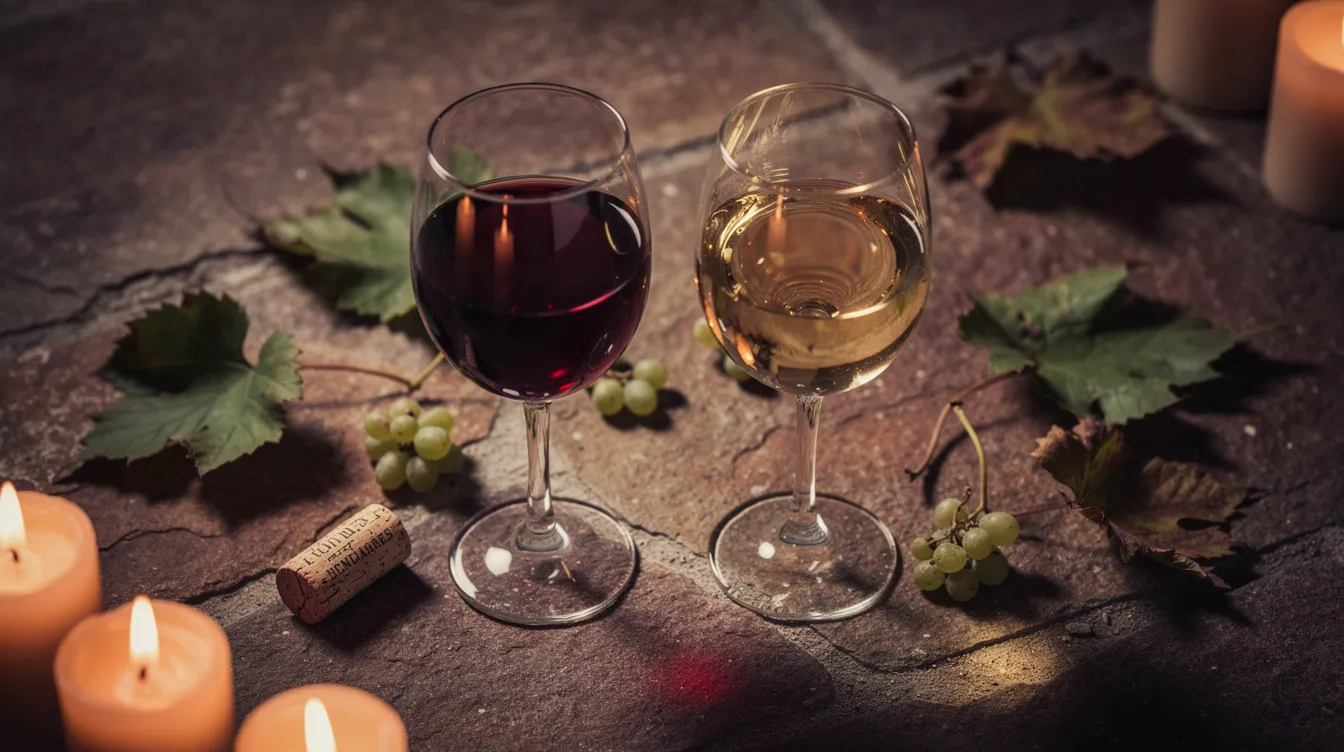
The best way to truly understand Old World versus New World is a side-by-side tasting. Try a French Burgundy Pinot Noir next to an Oregon or New Zealand Pinot Noir. Pour a Marlborough Sauvignon Blanc alongside a Loire Valley Sancerre. Note the differences in color, aroma, body, and finish. You will quickly develop an instinct for which style speaks to you — and when.
Both traditions have given the world extraordinary wine. Understanding where they come from, and why they taste the way they do, is one of the most rewarding things you can learn as a wine lover. Drink curiously, drink responsibly, and enjoy the exploration.
Discover any wine with Vino AI
Snap a photo of any wine label for instant AI identification, tasting notes, and food pairings — free.


Published by Vino AI. Enjoy wine responsibly.