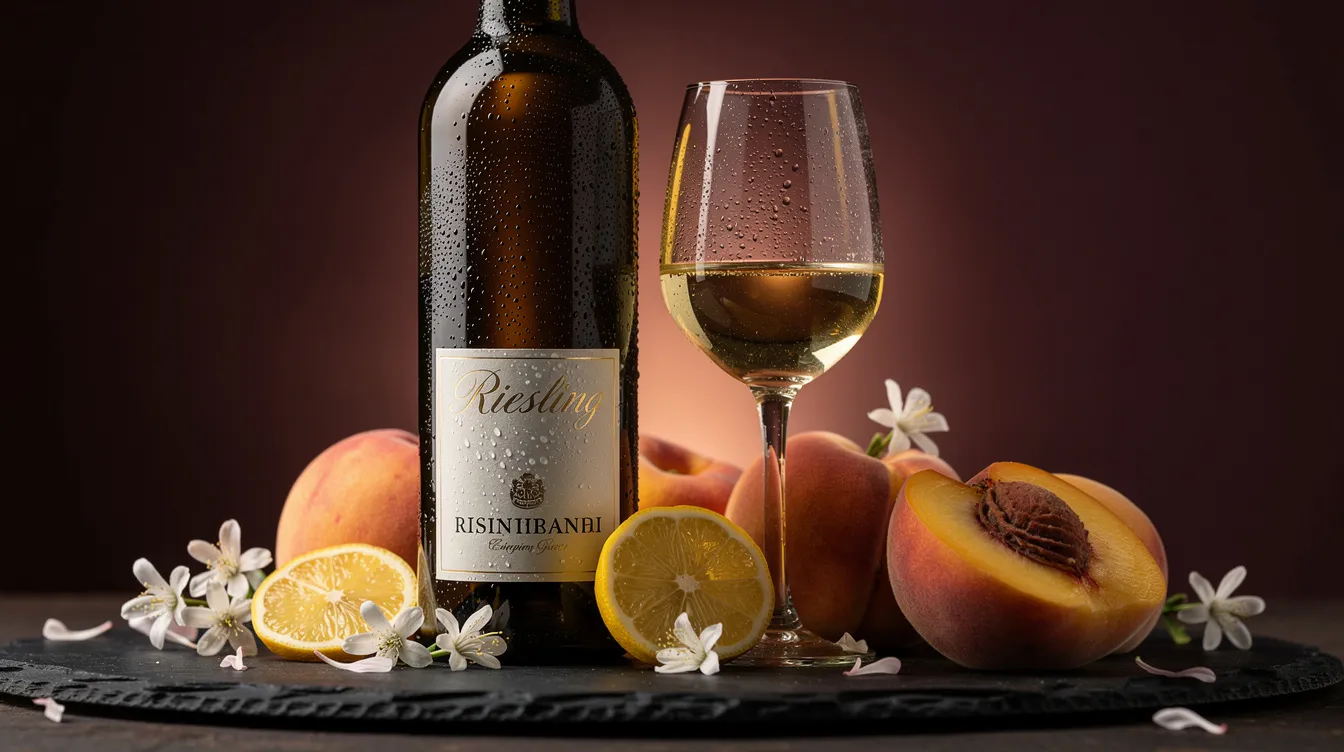
What Is Riesling?
Riesling is a white wine grape with a reputation for being one of the most expressive and age-worthy varieties on the planet. Yet it remains stubbornly misunderstood, often dismissed as "too sweet" by people who have never actually tried a bone-dry German Spätlese or a crisp Alsatian Riesling. The truth is that Riesling comes in a dazzling range of styles — from searingly dry to decadently sweet — all tied together by a signature thread of bright acidity and vivid fruit.
If you've ever avoided Riesling because you assumed it was sugary, this guide is for you. And if you already love it, you'll find plenty here to deepen your appreciation.
Where Does Riesling Come From?
Riesling is native to Germany, where it has been cultivated along steep river valleys for centuries. Today it thrives in cool climates around the world, and each region puts its own distinctive stamp on the grape.
- Germany – The heartland of Riesling. Regions like Mosel, Rheingau, and Pfalz produce wines that range from featherlight and delicate to richly sweet. German Rieslings are often lower in alcohol and high in finesse.
- Alsace, France – Just across the Rhine River from Germany, Alsace typically produces fuller-bodied, drier Rieslings with more texture and weight.
- Austria – Austrian Rieslings, particularly from the Wachau and Kamptal regions, tend to be dry, mineral, and powerful.
- Australia – The Clare Valley and Eden Valley in South Australia are famous for producing dry, lime-driven Rieslings that age spectacularly well.
- United States – Washington State and the Finger Lakes region of New York produce impressive Rieslings across a range of sweetness levels.
How Does Riesling Taste?
Riesling's flavour profile is wonderfully aromatic and unmistakable once you know what to look for. Common tasting notes include:
- Fruit: Green apple, peach, apricot, lemon, lime, and pear — citrus often dominates in cooler climates, stone fruit in warmer ones.
- Floral: Jasmine, white blossom, and orange peel aromas are classic hallmarks.
- Mineral: Many Rieslings — especially from the Mosel's famous slate soils — have a distinctive slate or wet stone quality that is almost impossible to describe but instantly recognisable.
- Petrol: Aged Riesling often develops a fascinating petrol or kerosene note (caused by a compound called TDN). It sounds alarming but wine lovers consider it a sign of quality and complexity.
Acidity is the through-line of every great Riesling. It keeps the wine refreshing even when there is significant residual sugar, which is why a sweet Riesling never feels cloying — the acidity balances everything beautifully.
Understanding Riesling Sweetness Levels
German Riesling in particular has a well-known classification system based on the ripeness of the grapes at harvest. Here is a simple overview:
- Kabinett – Light, low in alcohol, often off-dry (just a touch of sweetness). Great for beginners.
- Spätlese – "Late harvest." Riper, with more body and a little more sweetness, though many are still balanced and refreshing.
- Auslese – Selected bunches of very ripe grapes. Noticeably sweeter and richer, but still with vibrant acidity.
- Beerenauslese (BA) and Trockenbeerenauslese (TBA) – Rare, intensely sweet dessert wines made from individually selected, botrytis-affected grapes. These are some of the most treasured sweet wines in the world.
- Eiswein – Made from grapes frozen on the vine, producing concentrated sweetness and extraordinary acidity.
Look for the words Trocken (dry) or Halbtrocken (off-dry) on a German label if you prefer less sweetness. Understanding labels is half the battle with Riesling — if you want a quick primer on decoding wine labels in general, our guide to reading a wine label is a great place to start.
Riesling and Food Pairing
One of Riesling's greatest strengths is its versatility at the dinner table. Its high acidity cuts through rich and fatty foods, while its fruit-forward profile complements both delicate and boldly spiced dishes.
- Dry Riesling – Perfect with grilled fish, sushi, roast chicken, goat's cheese, and spring vegetable dishes.
- Off-dry Riesling – A famous match for spicy food, including Thai curries, Vietnamese pho, Korean BBQ, and Indian dishes. The slight sweetness soothes the heat while the acidity keeps things lively.
- Sweet Riesling – Pairs beautifully with foie gras, blue cheese, fruit-based desserts, or simply enjoyed on its own as a contemplative sipper.
- Aged Riesling – The petrol and honey notes that develop with age make it a wonderful companion to duck, pork belly, or truffle-based dishes.
Serving and Storing Riesling
Riesling is best served chilled, typically between 8–12 °C (46–54 °F). Lighter, off-dry styles benefit from being served at the cooler end of that range, while a fuller, dry Alsace Riesling can be enjoyed slightly warmer to let its texture and complexity open up.
One of Riesling's most exciting qualities is its ability to age. While many white wines are best consumed young, a high-quality German or Australian Riesling can evolve gracefully for a decade or more, developing those beloved petrol and honey notes over time. If you are building a collection worth tracking, a personal wine cellar app is a practical way to note when your bottles will be at their best.
How to Find and Identify Riesling
Riesling labels can be notoriously confusing — German wine law, regional classifications, and different languages all pile on top of each other. If you pick up a bottle and aren't sure what you're looking at, Vino AI's wine scanner lets you snap a photo of the label and instantly get the grape variety, region, sweetness level, tasting notes, and food pairings — which is genuinely handy when you're standing in a wine shop trying to decide between a Mosel Kabinett and an Alsace Trocken.
Why Riesling Deserves a Place in Your Glass
Riesling rewards curiosity like few other grapes. Once you move past the sweet-or-not question and start exploring the spectrum — a steely Austrian Smaragd, a floral Clare Valley lime bomb, a luscious Auslese — you realise you are dealing with one of the truly great white wine varieties. Its transparency to terroir, its electric acidity, its extraordinary ageing potential, and its sheer versatility with food make it a grape that wine lovers return to again and again.
Start with an approachable German Kabinett or an Australian Clare Valley Riesling, keep it well chilled, and pair it with something a little spicy. There is a very good chance it will become one of your favourites. Please enjoy it responsibly.
Discover any wine with Vino AI
Snap a photo of any wine label for instant AI identification, tasting notes, and food pairings — free.


Published by Vino AI. Enjoy wine responsibly.