What is dessert wine?
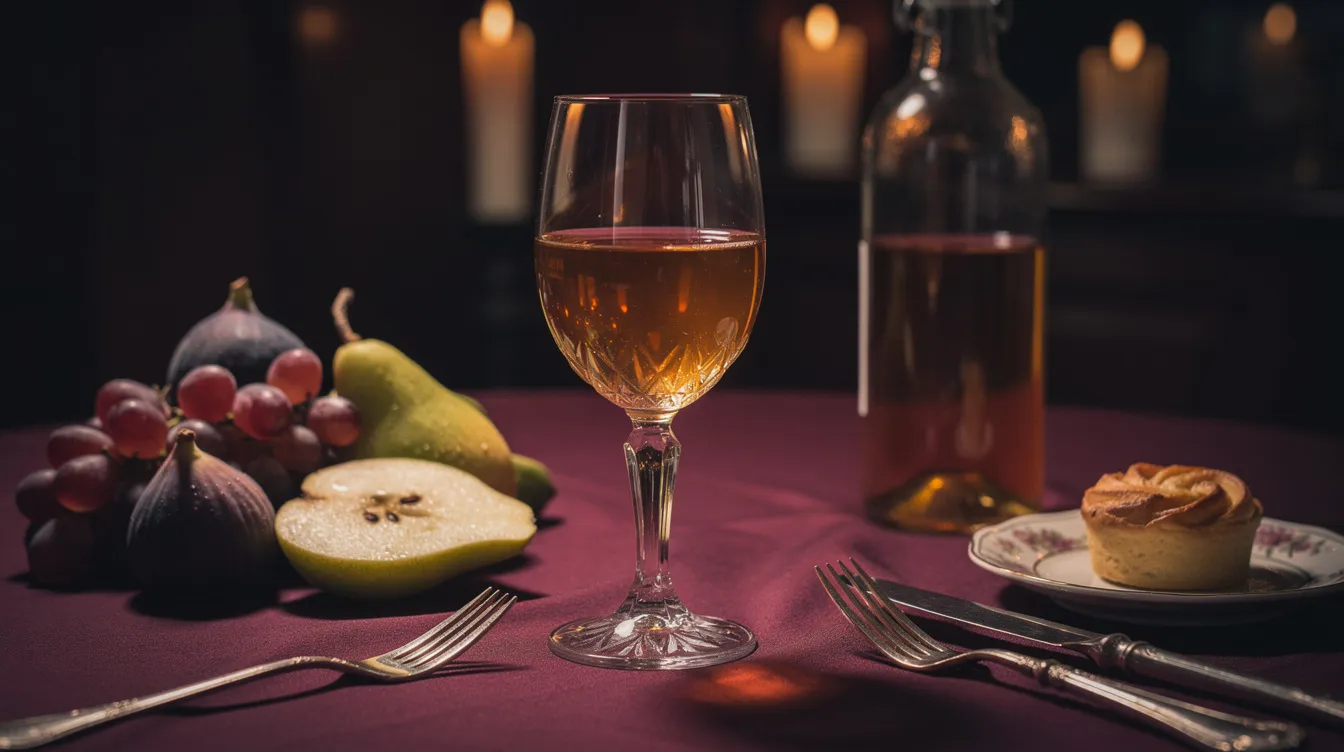
Dessert wine is a broad category of wines with noticeable sweetness, usually served in smaller pours than dry table wine. Some are made from grapes that retain extra sugar during fermentation, while others gain sweetness through grape drying, freezing, or the addition of grape spirit.
The word dessert can be misleading. These wines do not have to be served after a meal. A sweet wine can accompany a savory course, a salty cheese, spicy food, or an aperitif moment. The best choice depends on the wine’s sweetness, acidity, alcohol level, texture, and the food on the table.
A well-made dessert wine should taste balanced rather than simply sugary. Acidity keeps the finish fresh, while fruit, spice, floral notes, bitterness, or a gentle savory character can add complexity.
The main styles of dessert wine
Sweet wines vary widely in flavor and production method. Understanding the style helps you choose a bottle with more confidence.
| Style | How it is made | Typical character |
|---|---|---|
| Late harvest | Grapes remain on the vine longer and become riper | Ripe fruit, honey, floral notes |
| Noble rot wine | Beneficial botrytis fungus concentrates the grapes | Apricot, citrus peel, honey, spice |
| Ice wine | Grapes freeze on the vine, concentrating juice | Intense fruit, bright acidity |
| Passito or straw wine | Grapes are dried before pressing | Raisin, dried fruit, nuts, spice |
| Fortified sweet wine | Grape spirit is added during or after fermentation | Rich fruit, warmth, caramel, dried fruit |
| Sweet sparkling wine | Fermentation and blending preserve sweetness and bubbles | Fresh fruit, floral aromas, lively texture |
Late harvest wines
Late harvest wines are made from grapes picked after they reach normal ripeness. The extra time on the vine can bring concentrated fruit flavors and a fuller texture. Depending on the grape and region, these wines may taste like peach, mango, baked apple, honey, or citrus marmalade.
Riesling, Chenin Blanc, Gewürztraminer, Muscat, and several other grapes can produce late harvest wines. The label may indicate a sweet style, but sweetness levels differ, so check the producer’s notes when available.
Noble rot wines
Noble rot, also called botrytis cinerea, can reduce water in ripe grapes while concentrating sugar and flavor. In suitable conditions, it creates wines with remarkable depth, often showing apricot, saffron, honey, ginger, and orange peel.
These wines can be sweet and powerful, but their acidity often makes them feel lighter than expected. They are excellent with fruit desserts, blue cheese, and rich poultry preparations.
Ice wine and dried-grape wines
Ice wine is made from grapes that freeze naturally on the vine. The frozen water separates from the concentrated juice during pressing. Production depends on suitable weather, so these wines can be scarce and expensive.
Dried-grape wines are made from grapes that lose water after harvest. They may be dried on mats, racks, or in well-ventilated spaces. The resulting wines often have flavors of raisin, fig, date, toasted nuts, and baking spice.
Fortified sweet wines
Fortified wines receive grape spirit, which raises their alcohol level. If spirit is added before fermentation finishes, some natural grape sugar remains, producing a sweet wine. Port is a familiar example, while sweet styles of Sherry, Madeira, and Muscat offer very different flavor profiles.
Fortified wines can be rich and warming, so smaller servings are appropriate. Their higher alcohol does not automatically make them sweeter, but it can make the wine feel fuller and more intense.
How to choose a dessert wine
Start by thinking about the occasion, the food, and the sweetness you enjoy. A light, floral wine works differently from a dense fortified wine.
- Match sweetness to the dish. The wine should usually be at least as sweet as the dessert. A dry wine beside a very sweet dessert may taste thin, sour, or bitter.
- Use acidity for freshness. High-acid wines are useful with fruit, cream, and fried desserts because they cut through richness.
- Consider intensity. Delicate desserts need a lighter wine, while chocolate, caramel, and blue cheese can handle a more concentrated style.
- Check the alcohol level. Lower-alcohol sweet wines can feel refreshing. Fortified wines bring more warmth and power.
- Think beyond the dessert course. Sweet wines can balance chili heat, salty cheeses, pâté, and roasted or glazed dishes.
If a bottle has an unfamiliar label, Vino AI’s wine scanner can help identify the wine, grape varieties, region, vintage, and tasting notes from a photo.
Dessert wine pairing ideas
Pairing is easier when you balance sweetness, acidity, richness, salt, and intensity.
| Food | Dessert wine direction | Why it works |
|---|---|---|
| Fresh fruit tart | Acidic late harvest wine | Mirrors fruit and refreshes pastry |
| Crème brûlée | Rich late harvest or fortified wine | Matches caramel and creamy texture |
| Blue cheese | Sweet fortified or noble rot wine | Sweetness balances salt and strong flavor |
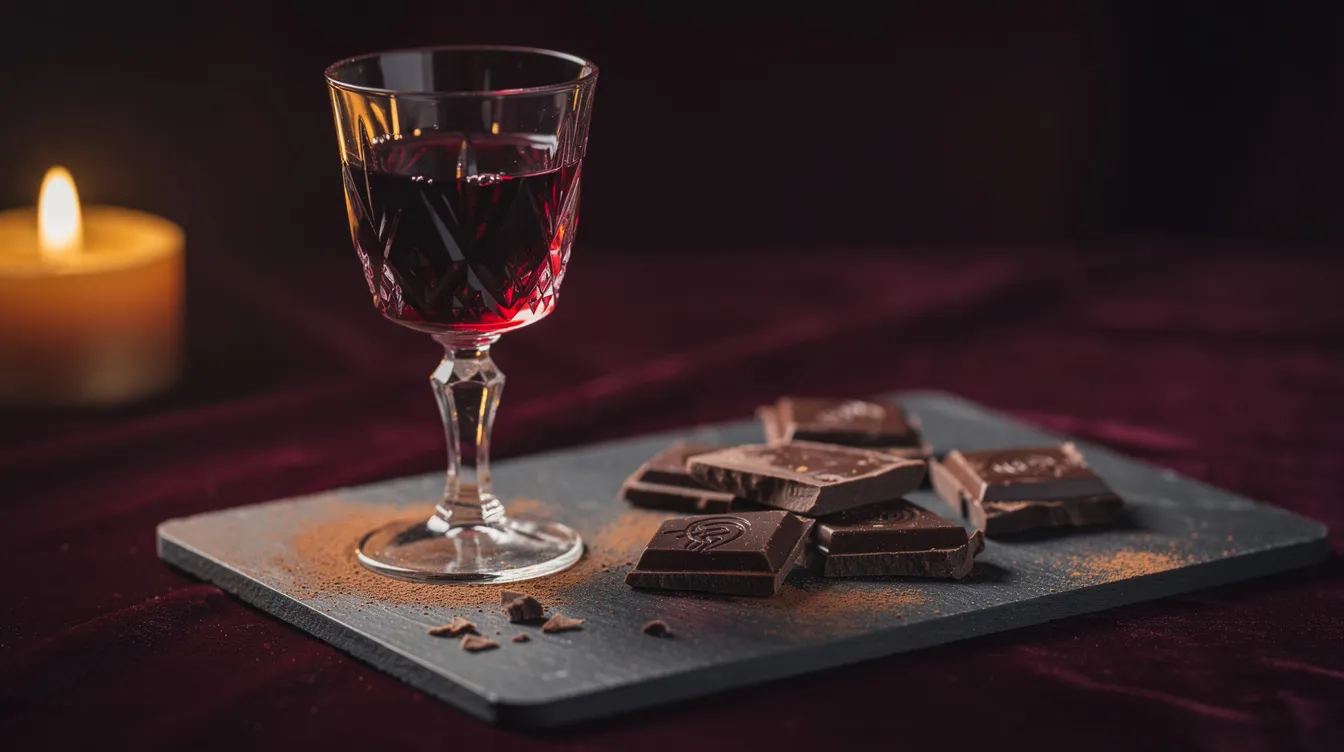
| Dark chocolate | Full-bodied fortified wine | Matches bitterness and cocoa intensity |
| Lemon dessert | High-acid sweet white wine | Complements citrus without seeming flat |
| Spicy food | Aromatic, lightly sweet white wine | Softens heat and refreshes the palate |
| Nut-based dessert | Dried-grape or fortified wine | Echoes toasted, dried fruit flavors |
Some pairings work through contrast. A bright sweet white wine can make a creamy dessert feel less heavy. Others work through similarity, such as a raisin-rich wine with a date cake or a nutty fortified wine with almond pastries.
How to serve dessert wine
Temperature has a major effect on sweetness and aroma. Most sweet white wines are best served cool, while fortified wines can be served slightly warmer. Very cold temperatures can mute aroma, and warm temperatures can make sweetness and alcohol feel heavy.
Use the wine serving temperature guide for a practical reference when chilling a bottle.
Glasses and pouring
A small white wine glass or dessert wine glass is usually suitable. For fortified wines, a smaller tulip-shaped glass can concentrate aromas. Pour modest servings, often around 60-90 ml, especially when the wine is high in alcohol or very rich.
Open a mature or sediment-prone bottle carefully. Some fortified wines benefit from decanting, but many sweet wines can be poured directly. If the wine smells reduced or closed, a short time in the glass may help it open.
Storage and serving leftovers
Sweetness, acidity, alcohol, and sometimes preservatives can help dessert wines remain enjoyable after opening. Seal the bottle firmly and refrigerate sweet white wines. Fortified wines may be more durable, but their life after opening depends on the style and age.
Taste the wine again after a few days rather than assuming it has spoiled. Look for unpleasant vinegar-like aromas, flat fruit, or a dull finish. When in doubt, discard it.
Final tips for exploring dessert wines
Dessert wine does not mean one single flavor or level of sweetness. Try comparing a crisp late harvest wine with a rich fortified style, then notice how acidity, alcohol, fruit, and texture change your experience.
Serve small pours, pair by intensity, and do not judge a bottle only by its sugar level. A balanced dessert wine can be refreshing, complex, and surprisingly versatile. As with any alcoholic drink, enjoy it responsibly and consider lower-alcohol pours or nonalcoholic options when appropriate.