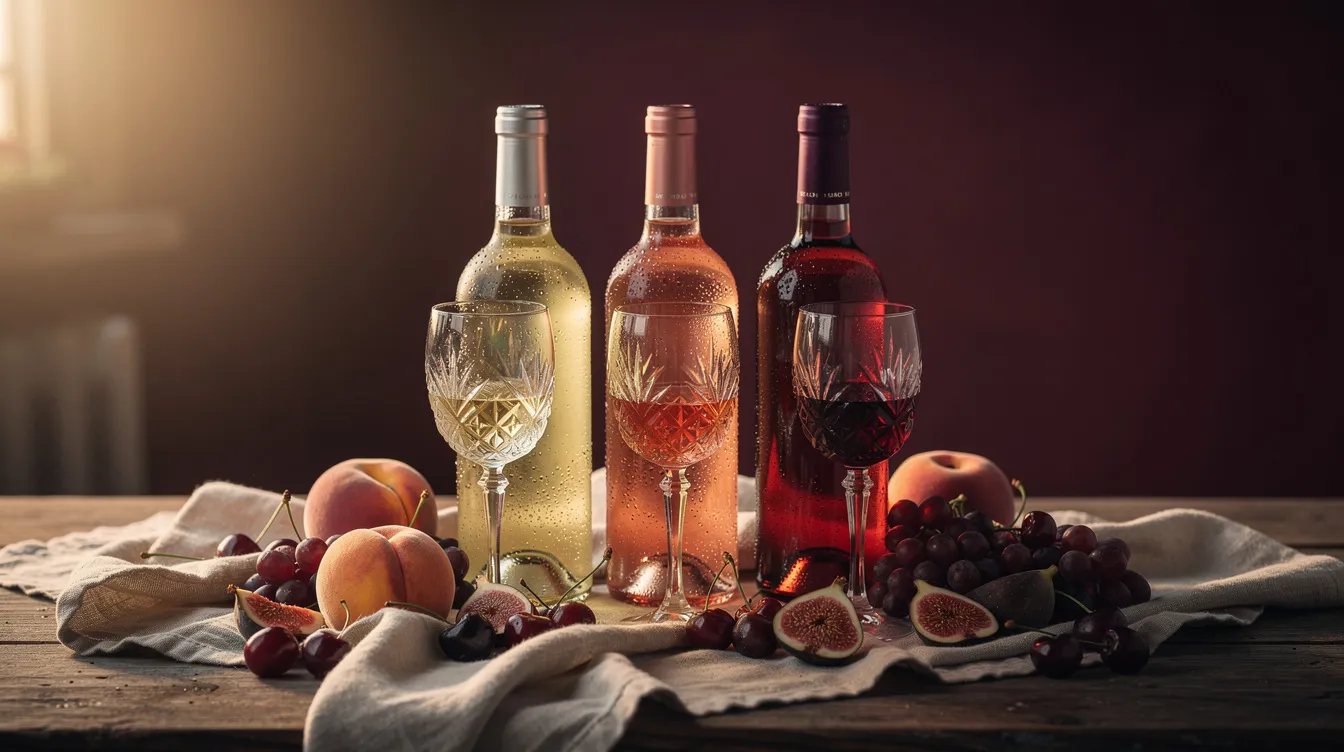
Summer wine does not have to mean one particular grape or region. The best summer wines are bottles that feel refreshing, suit the food and setting, and taste enjoyable when served at the right temperature. Crisp whites, bright rosés, sparkling wines, and lighter reds can all work beautifully from the first warm afternoon through a relaxed evening outdoors.
The key is balance. Wines with lively acidity, moderate alcohol, fresh fruit, and a clean finish tend to feel more refreshing than heavy, highly oaked, or very tannic bottles. That does not mean you need to avoid full-bodied wine completely. It simply means that warm weather often favors wines that feel energetic rather than weighty.
The best wine styles for summer
Crisp white wines
Crisp white wine is one of the easiest choices for hot weather. Look for refreshing acidity and flavors such as citrus, green apple, pear, herbs, or minerals.
Good styles include:
- Sauvignon Blanc, especially with salads, grilled vegetables, seafood, and goat cheese
- Albariño, a zesty choice for shellfish, fish tacos, and salty snacks
- Pinot Grigio, a light and uncomplicated option for casual lunches
- Dry Riesling, which can be excellent with spicy dishes and fresh fruit
- Vinho Verde, often light, lively, and suited to easy outdoor drinking
- Unoaked Chardonnay, which highlights apple, citrus, and mineral flavors rather than creamy oak
Crisp whites are especially useful when you want a wine that can begin as an aperitif and continue with a meal. If you are choosing among several bottles, prioritize freshness and a moderate alcohol level over a prestigious name.
Rosé for easy outdoor drinking
Rosé is a natural summer favorite because it combines the refreshing qualities of many white wines with some of the red fruit character found in red wine. Dry rosé can show strawberry, watermelon, raspberry, citrus, and herbs, while usually finishing clean and bright.
Styles vary widely. A pale, dry rosé from Provence is often delicate and savory, while rosé made from Grenache, Tempranillo, or Syrah may be fruitier and more generous. Sparkling rosé adds texture and celebration without requiring a special occasion.
Serve rosé with:
- Grilled chicken and vegetables
- Salads with fruit or soft cheese
- Charcuterie and picnic foods
- Sushi and lighter seafood
- Tomato-based dishes
- Burgers, sausages, and other casual grill foods
The most important distinction is sweetness. If you prefer a dry style, check the label or ask for a dry rosé. A sweeter rosé can also be enjoyable, particularly with spicy food, but it will taste different from a crisp, savory bottle.
Sparkling wine for celebrations and snacks
Sparkling wine brings acidity, bubbles, and a sense of occasion to summer meals. Champagne is one option, but Cava, Prosecco, Crémant, and other sparkling wines can offer excellent choices at different prices.
Brut sparkling wine is generally dry, while extra dry is often slightly sweeter despite its name. Sparkling rosé can bring berry flavors, and a well-chilled bottle works with everything from fried foods to seafood and salty appetizers.
Sparkling wine is also one of the most flexible choices for a gathering because it can be served before dinner and paired with a broad range of snacks. For a simple match, try a dry sparkling wine with potato chips, fried chicken, oysters, or a fresh cheese plate.
Light red wines that can be chilled
Red wine does not have to be excluded from summer. Lighter reds with moderate tannins and lively acidity can be refreshing when served slightly cool. The goal is not to make the wine icy, which can mute its aromas, but to take the edge off its warmth.
Try these styles:
- Beaujolais made from Gamay, with bright berry fruit and gentle tannin
- Valpolicella, especially a lighter, unoaked version
- Pinot Noir with fresh cherry, raspberry, and earthy notes
- Frappato, a fragrant and light-bodied Italian red
- Schiava, a delicate red that can be served cool
- Some young, low-tannin Grenache or Zweigelt wines
Place a light red in the refrigerator for about 20-30 minutes before serving, then taste it. If it seems too cold, let it warm slightly in the glass. This approach can make a noticeable difference on a warm day.
A quick summer wine comparison
| Wine style | What to look for | Great with |
|---|---|---|
| Crisp white | High acidity, citrus, light to medium body | Seafood, salads, vegetables |
| Dry rosé | Fresh red fruit, dry finish, moderate alcohol | Grilled foods, picnic dishes |
| Sparkling wine | Fine bubbles, bright acidity, brut or dry style | Appetizers, fried foods, celebrations |
| Light red | Low to moderate tannin, fresh fruit | Burgers, pizza, grilled mushrooms |
| Off-dry white | Fruit, balancing acidity, gentle sweetness | Spicy food, barbecue, salty snacks |
How to serve summer wine properly
Temperature matters more than many beginners expect. A wine served too warm can seem alcoholic and flat, while a wine served too cold may lose much of its aroma. Use a wine serving temperature guide when you want a more precise starting point.
As a general guide:
- Serve sparkling wines well chilled.
- Serve crisp whites and most rosés chilled, but not necessarily ice cold.
- Serve fuller whites slightly warmer than light whites.
- Serve light reds cool rather than warm.
- Use an ice bucket during outdoor meals, especially when the weather is hot.
An ice bucket with a mixture of ice and water cools a bottle more efficiently than ice alone. If a bottle becomes too cold, simply leave it on the table for a few minutes before pouring.
Choose by the food and occasion
For a beach picnic or casual lunch, choose a portable, uncomplicated wine such as Pinot Grigio, Vinho Verde, dry rosé, or Prosecco. For grilled seafood, Sauvignon Blanc, Albariño, or sparkling wine can bring enough acidity to complement smoky flavors.
For spicy food, consider an off-dry Riesling or another wine with a touch of sweetness. The slight sweetness can soften the sensation of heat, while acidity keeps the pairing fresh. For grilled steak or rich burgers, a chilled light red may be more satisfying than a delicate white.
If you are unsure what is in a bottle, the Vino AI wine scanner can identify a photographed label and provide the wine name, grape varieties, region, vintage, tasting notes, serving temperature, food pairings, price range, and drink window. It is useful when shopping for an unfamiliar bottle or deciding how to serve one already at home.
A simple summer shopping strategy
When buying wine for a group, choose variety rather than several similar bottles.
- Start with one crisp white for seafood, salads, and general sipping.
- Add a dry rosé for grilled food and outdoor lunches.
- Include a sparkling wine for arrival drinks and snacks.
- Choose a light red if the menu includes burgers, pizza, or grilled meats.
- Consider one off-dry white if spicy dishes are part of the meal.
This mix gives guests different options without requiring a large collection. It also helps prevent a single bottle from being expected to suit every dish.
Final tips for better summer drinking
The best summer wine is the bottle that matches your taste, your food, and the temperature outside. Keep a few styles chilled, use smaller pours when the weather is hot, and refresh opened bottles rather than leaving them in direct sunlight. A wine sleeve or ice bucket can keep bottles pleasant throughout a long meal.
Most importantly, choose wine for enjoyment rather than rules. A bright white may be perfect for one person, while another may prefer a cool glass of Pinot Noir. Serve responsibly, drink water alongside wine, and never drive after drinking.