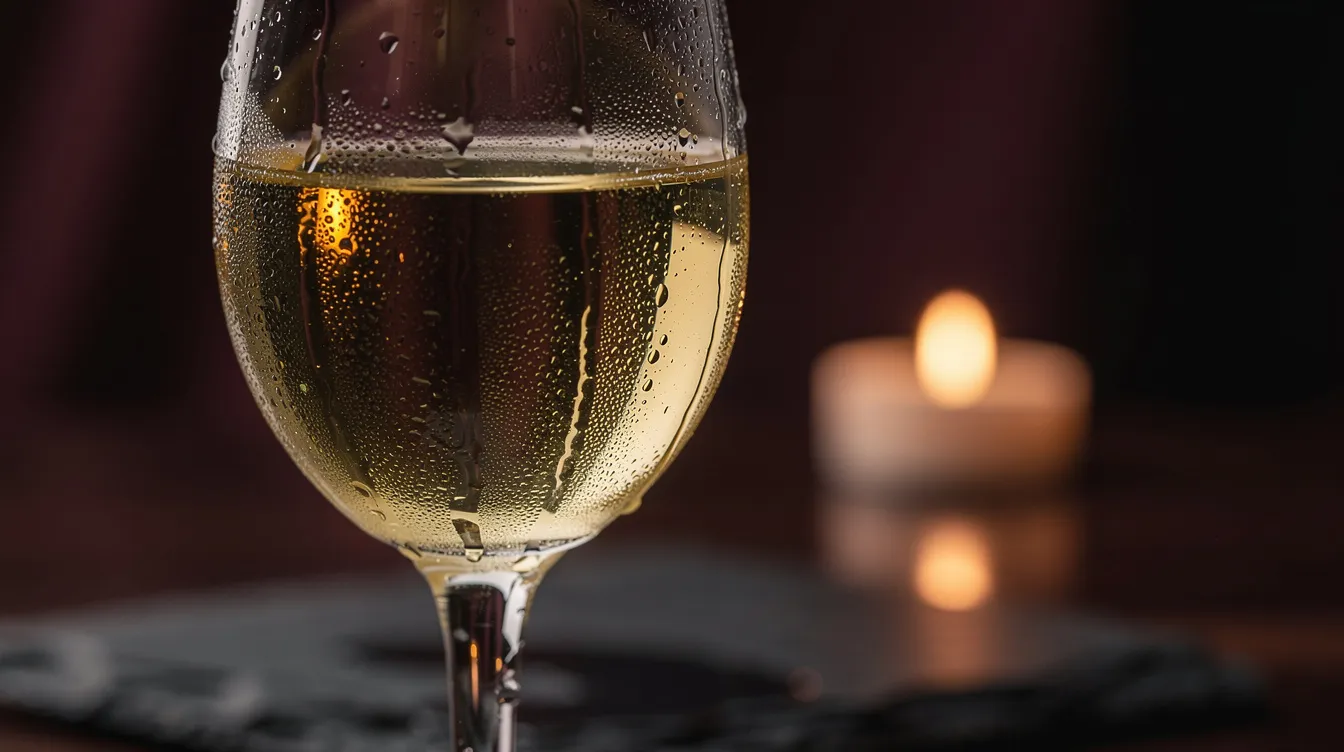
What Is Chardonnay?
Chardonnay is a green-skinned grape variety that produces white wine, and it is grown in virtually every wine-producing country on earth. It originated in the Burgundy region of eastern France, where it has been cultivated for centuries, and today it holds the title of the most widely planted white wine grape in the world. If you have ever ordered a glass of white wine without thinking too hard about it, there is a very good chance Chardonnay was in that glass.
Despite its popularity — or perhaps because of it — Chardonnay has attracted its share of controversy. In the 1990s and early 2000s, a wave of heavily oaked, buttery styles sparked a backlash serious enough to spawn the phrase "ABC" (Anything But Chardonnay). But that reaction was mostly a response to one particular style, not the grape itself. The truth is that Chardonnay is one of the most versatile and expressive grapes on the planet, capable of producing everything from razor-sharp, mineral-driven whites to rich, creamy, complex wines that age for decades.
Why Is Chardonnay So Widely Grown?
Winemakers love Chardonnay for a simple reason: it is remarkably adaptable. The grape itself is relatively neutral, which means it acts almost like a blank canvas, absorbing and reflecting the character of wherever it is grown and however it is made. This quality — known in French as terroir sensitivity — makes it fascinating for wine lovers because a Chardonnay from Chablis tastes dramatically different from one grown in California or South Australia, even though they start with the same grape.
Chardonnay also buds early and ripens reliably, making it a practical choice for growers in a wide range of climates. Cool climates bring high acidity and green-fruit flavours; warm climates deliver fuller body and tropical fruit. The winemaker's choices in the cellar — oak ageing, fermentation in barrel, a process called malolactic fermentation — layer on even more complexity.
The Main Styles of Chardonnay
Unoaked or Lightly Oaked
Aged in stainless steel tanks rather than oak barrels, these Chardonnays are crisp, fresh, and fruit-forward. Expect aromas of green apple, lemon zest, white peach, and sometimes a stony, mineral quality. They tend to be lighter in body and lower in alcohol, making them easy-drinking and food-friendly. Chablis, from northern Burgundy, is the classic benchmark — flinty and austere, it is as far from "buttery" as Chardonnay gets.
Oaked (Classic Burgundian Style)
Fermented and aged in French oak barrels, often with malolactic fermentation (a secondary process that converts sharp malic acid into softer lactic acid), these wines develop richer flavours: toasted hazelnut, vanilla, brioche, ripe stone fruit, and cream. The Côte de Beaune villages in Burgundy — including Meursault, Puligny-Montrachet, and Chassagne-Montrachet — produce the world's most celebrated examples. These wines can age gracefully for ten years or more.
New World Oaked
California, Australia, Chile, and South Africa produce Chardonnays that lean into generous fruit and oak. Napa Valley and Sonoma in California are famous for fuller-bodied, lavishly oaked styles with tropical fruit, butterscotch, and toasty notes. Margaret River in Western Australia offers a middle ground — ripe fruit balanced by bright acidity. These wines are bold, approachable, and often excellent value.
Sparkling Chardonnay
Chardonnay is one of the three main grapes in Champagne and is the sole grape permitted in Blanc de Blancs Champagne. It also appears in Crémant d'Alsace, Cava, and many sparkling wines worldwide. In sparkling form it tends to bring elegance, finesse, and a delicate citrus character.
Key Chardonnay Regions to Know
- Chablis, France — Lean, flinty, and mineral; the purest expression of unoaked Chardonnay.
- Côte de Beaune, Burgundy, France — The spiritual home of great oaked Chardonnay; wines here can be profound and age-worthy.
- Mâconnais, Burgundy, France — Excellent value; Pouilly-Fuissé and Mâcon-Villages offer Burgundian character at more accessible prices.
- Sonoma and Napa Valley, California — Ripe, expressive, and often oaked; huge range of quality and price.
- Margaret River, Australia — Elegant, structured, and increasingly acclaimed internationally.
- Casablanca Valley, Chile — Cool-climate freshness at very approachable price points.
- Marlborough and Hawke's Bay, New Zealand — Vibrant acidity with tropical and citrus fruit.
What Does Chardonnay Taste Like?
The flavour of Chardonnay varies enormously by style, but here are common tasting notes across the spectrum:
- Fruit: Green apple, lemon, white peach, pear (cool climate); mango, pineapple, melon, ripe apricot (warm climate).
- Secondary (oak/winemaking): Vanilla, toasted almond, butter, cream, brioche, caramel.
- Tertiary (age): Honey, beeswax, hazelnut, mushroom, dried fruit.
If you want to sharpen your palate and understand what you are detecting in the glass, our guide to tasting wine like a pro is a great place to start.
Chardonnay and Food Pairing
One of Chardonnay's great strengths is its versatility at the table.
- Unoaked/Chablis style: Oysters and shellfish, grilled fish, goat's cheese, simple green salads, sushi.
- Lightly oaked Burgundy style: Roast chicken, grilled salmon, lobster, creamy pasta, soft-rind cheeses like Brie.
- Full oaked New World style: Buttery scallops, prawn risotto, corn-fed chicken, mild curries, aged Cheddar.
A general rule: match the weight of the wine to the weight of the dish. A light, unoaked Chablis will be overwhelmed by a rich, creamy sauce; a full-bodied California Chardonnay will overpower delicate steamed fish.
Serving Chardonnay
Serve Chardonnay chilled but not ice-cold. Lighter, unoaked styles are best at around 8–10 °C (46–50 °F). Fuller, oaked Chardonnays show more of their complexity at a slightly warmer 10–13 °C (50–55 °F). Taking a big oaked Chardonnay out of the fridge 15–20 minutes before serving makes a real difference.
How to Find a Chardonnay You'll Love
The biggest challenge with Chardonnay is the sheer number of options. A label rarely tells you whether the wine is oaked or unoaked, light or full-bodied. This is where technology can help: the Vino AI wine scanner lets you point your phone camera at any Chardonnay label and instantly see the style, tasting notes, serving temperature, and food pairings — so you always know what you are buying before you commit.
As a general starting point: if you are new to Chardonnay and unsure, try a Mâcon-Villages or a Chilean Casablanca Valley bottle — approachable, food-friendly, and usually easy on the wallet. From there, work your way toward Chablis if you love freshness and minerality, or a Sonoma Coast Chardonnay if you enjoy more richness and warmth.
A Quick Note on Responsible Enjoyment
Wine is best enjoyed slowly, in good company, and in moderation. Please always drink responsibly and follow the guidelines recommended by health authorities in your country.
Discover any wine with Vino AI
Snap a photo of any wine label for instant AI identification, tasting notes, and food pairings — free.


Published by Vino AI. Enjoy wine responsibly.