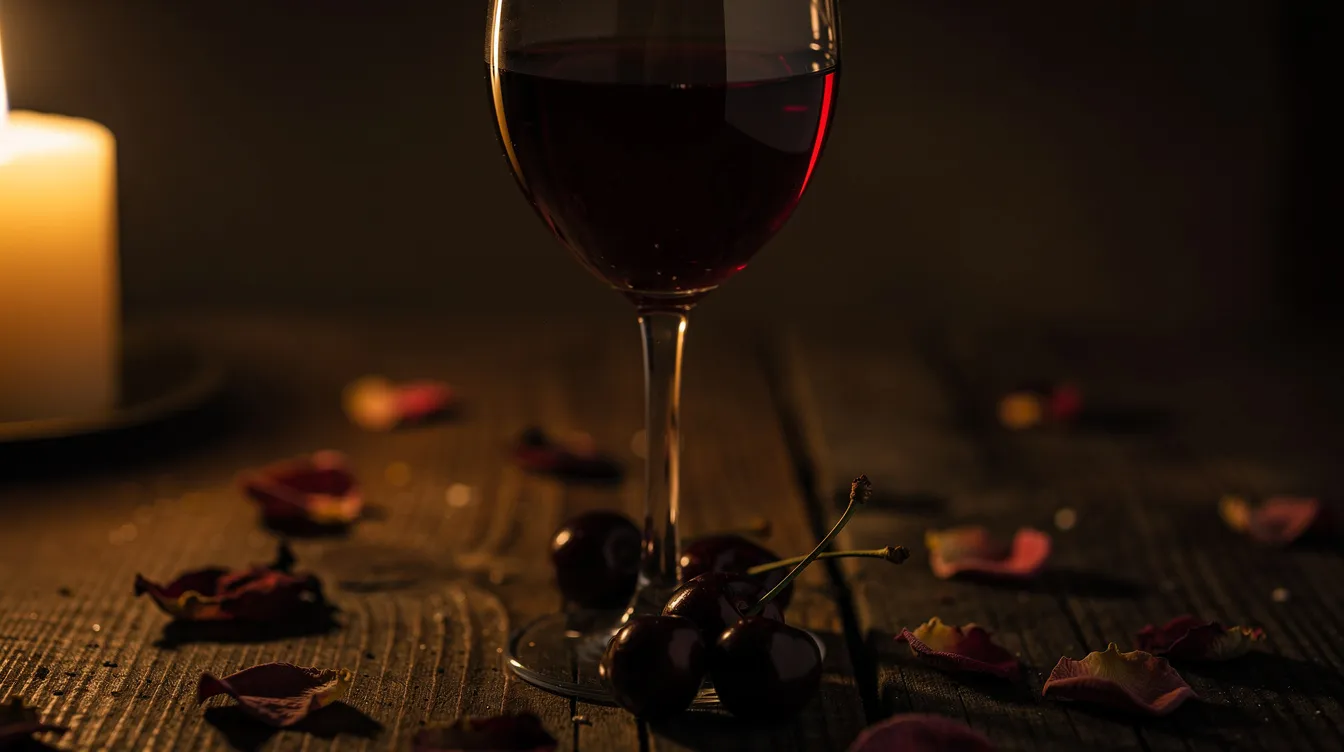
What Is Pinot Noir?
Pinot Noir is one of the oldest and most celebrated grape varieties in the world. It produces light- to medium-bodied red wines known for their silky texture, vibrant acidity, and remarkably complex flavors. The name comes from the French words for "pine" and "black," a nod to the grape's tight, pine-cone-shaped clusters and dark skin.
Despite its elegance, Pinot Noir is famously finicky to grow. It thrives only in cooler climates, has thin skin that makes it vulnerable to disease, and demands careful winemaking to reveal its best qualities. That difficulty is part of what makes a truly great bottle so special — and so sought after.
What Does Pinot Noir Taste Like?
Pinot Noir is beloved for its wide spectrum of flavors, which shift depending on where the grapes are grown and how the wine is made. In general, expect a combination of the following:
- Red fruits: Cherries, raspberries, strawberries, and cranberries are the most common primary flavors.
- Earth and forest floor: Many Pinot Noirs, especially from Burgundy, carry notes of mushroom, damp leaves, and rich soil.
- Spice and herbs: Subtle hints of clove, cinnamon, dried thyme, or tea can emerge with age.
- Oak influences: When aged in oak barrels, you may notice vanilla, toasted wood, or a hint of smoke.
- Silky tannins: Compared to bolder reds like Cabernet Sauvignon, Pinot Noir has soft, gentle tannins that make it feel smooth on the palate.
The finish is typically elegant and lingering, with a pleasant note of bright acidity that makes it one of the most food-friendly red wines you can find. If you want to sharpen your ability to identify these characteristics in the glass, reading our guide on how to taste wine is a great place to start.
Key Pinot Noir Regions Around the World
Pinot Noir's personality changes dramatically depending on where it is grown. Here are the most important regions every wine lover should know:
Burgundy, France
Burgundy (or Bourgogne) is the spiritual homeland of Pinot Noir. Wines from villages like Gevrey-Chambertin, Chambolle-Musigny, and Pommard are considered the benchmark — complex, earthy, and hauntingly perfumed. These are often the most expensive Pinot Noirs in the world, though excellent village-level wines can offer incredible value.
Willamette Valley, Oregon, USA
Oregon's Willamette Valley has earned a global reputation for Pinot Noir that sits stylistically between the Old and New Worlds. Expect ripe red fruits balanced by earthy depth and refreshing acidity — approachable yet serious wines at a wide range of price points.
Sonoma Coast and Santa Barbara, California, USA
California's cooler coastal regions produce Pinot Noir with richer, riper fruit — think dark cherry, plum, and a touch of vanilla from oak aging. These wines tend to be fuller-bodied than their Burgundian counterparts but retain the variety's signature elegance.
Central Otago, New Zealand
Central Otago is the world's southernmost wine region and produces bold, intensely fruity Pinot Noirs with great color and depth. Expect concentrated black cherry, spice, and a velvety texture that makes these wines immediately appealing.
Germany (Spätburgunder)
Germany's version of Pinot Noir, known locally as Spätburgunder, is having a well-deserved moment in the spotlight. Regions like Baden and the Ahr produce surprisingly elegant, pale-colored wines with delicate red fruit and earthy mineral notes.
How to Serve Pinot Noir
Getting the serving details right can make a noticeable difference in how much you enjoy your wine:
- Temperature: Serve Pinot Noir slightly cool — around 55–60°F (13–16°C). This is a touch cooler than room temperature in most homes. A brief 20-minute stint in the fridge before opening does the trick.
- Glassware: Use a large, wide-bowled Burgundy glass. The broad bowl allows the wine's complex aromas to open up beautifully.
- Decanting: Younger, more tannic Pinot Noirs benefit from 30 minutes of decanting. Older, more delicate bottles should be poured gently with minimal aeration.
Pinot Noir and Food Pairing
Thanks to its bright acidity and soft tannins, Pinot Noir is one of the most versatile red wines at the dinner table. It rarely overwhelms food and enhances a wide range of dishes:
- Poultry: Roast chicken, duck breast, and turkey are classic pairings that allow the wine's fruit and earthiness to shine.
- Salmon and tuna: Pinot Noir is one of the few reds that genuinely works with rich, oily fish — a surprisingly delightful combination.
- Mushroom dishes: The earthy notes in many Pinot Noirs make a natural match with mushroom risotto, pasta, or a wild mushroom tart.
- Pork tenderloin and lamb: Lean cuts of meat with mild flavors pair beautifully without overpowering the wine.
- Soft cheeses: Brie, Camembert, and aged Gruyère are excellent companions.
How to Choose a Good Pinot Noir
With so many options on shelves, choosing a Pinot Noir can feel overwhelming. A few practical tips:
- Look at the region first — it tells you a lot about the style you can expect.
- Check the alcohol level: wines around 12–13.5% ABV tend to be more restrained and elegant; higher alcohol often signals a richer, riper style.
- Don't overlook village-level Burgundy or Oregon bottles in the $25–$50 range — they often over-deliver on quality.
If you're standing in a shop or restaurant and want to quickly decode an unfamiliar label, the Vino AI wine scanner lets you snap a photo of any bottle and instantly see the grape varieties, region, tasting notes, and a suggested price range — a genuinely handy tool when you're making a decision on the spot.
A Few Final Tips
Pinot Noir rewards curiosity. Try bottles from different regions side by side to understand how climate and soil shape the wine's character. Keep notes on what you enjoyed — even a simple phone note goes a long way toward developing your palate over time.
Most importantly, remember that the "best" Pinot Noir is simply the one you enjoy most. Start with an approachable New World bottle, then explore your way toward the complexity of Burgundy. There is no wrong direction in a grape variety this generous.
Please enjoy wine responsibly. Drink in moderation and never drink and drive.
Discover any wine with Vino AI
Snap a photo of any wine label for instant AI identification, tasting notes, and food pairings — free.


Published by Vino AI. Enjoy wine responsibly.