What Is Sauvignon Blanc?
Sauvignon Blanc is a green-skinned white grape variety originally from the Bordeaux and Loire Valley regions of France. Today it is grown all over the world — from New Zealand and California to South Africa and Chile — and it consistently produces some of the most immediately recognizable and enjoyable white wines on the market.
If you have ever opened a bottle of wine and been hit with a burst of fresh lime, cut grass, or passionfruit, there is a good chance you were drinking Sauvignon Blanc. It is one of those grapes that announces itself clearly, which makes it a wonderful starting point for anyone exploring wine.
What Does Sauvignon Blanc Taste Like?
The flavor profile of Sauvignon Blanc depends heavily on where it is grown, but there are some characteristics that show up almost everywhere:
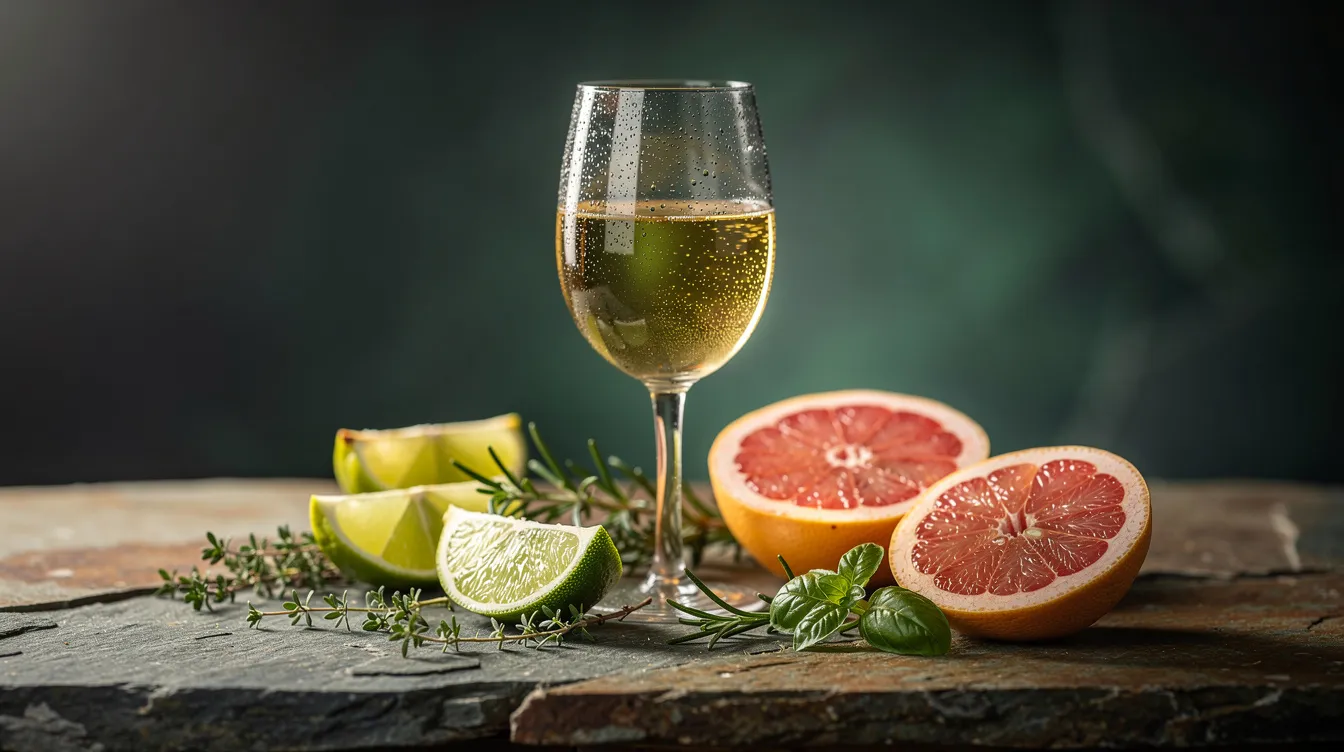
- Citrus fruits: Lime, lemon, and grapefruit are classic markers, giving the wine its signature freshness.
- Green notes: Cut grass, green bell pepper, jalapeño, and fresh herbs like basil or chives.
- Tropical fruits: In warmer climates, expect passionfruit, guava, and white peach.
- Mineral and flinty qualities: Particularly in wines from the Loire Valley, you may notice a steely, almost smoky mineral edge.
- Floral aromas: Some examples carry delicate notes of elderflower or white blossom.
The wine is typically dry, high in acidity, and light to medium in body. It is rarely aged in oak, which means it tends to feel crisp and clean rather than creamy or rich. If you enjoy wines that feel bright and energetic on the palate, Sauvignon Blanc is likely going to become a favourite.
The World's Most Important Sauvignon Blanc Regions
Loire Valley, France
The Loire Valley is considered the spiritual home of Sauvignon Blanc. Two appellations stand out above all others: Sancerre and Pouilly-Fumé. Wines from these areas are typically leaner and more mineral-driven than New World examples, with restrained fruit and a distinctive chalky texture. They are often considered the benchmark for the grape at its most refined.
Marlborough, New Zealand
No region has done more to popularise Sauvignon Blanc globally than Marlborough on the South Island of New Zealand. Wines from here are bold and expressive, bursting with passionfruit, gooseberry, lime zest, and fresh capsicum. They are fruit-forward, mouth-watering, and incredibly easy to enjoy. If you are new to Sauvignon Blanc, a Marlborough example is a great place to start.
Bordeaux, France
In Bordeaux, Sauvignon Blanc is often blended with Sémillon to create dry whites with more body and texture. The Pessac-Léognan appellation produces some of the most complex and age-worthy examples, sometimes aged in oak for additional depth.
Other Regions to Explore
- California, USA: Often labelled as Fumé Blanc, California Sauvignon Blanc can range from herbaceous and lean to ripe and melon-scented.
- Casablanca Valley, Chile: Chilean examples tend to be fresh and citrus-led, offering excellent value for money.
- Stellenbosch, South Africa: South African Sauvignon Blanc often bridges Old World restraint and New World fruit, with appealing flinty edges.
How to Serve Sauvignon Blanc
Getting the serving temperature right makes a real difference. Sauvignon Blanc is best served well chilled, between 8°C and 12°C (46°F–54°F). Too warm and the alcohol can feel harsh and the freshness disappears; too cold and the aromas get muted. A couple of hours in the fridge before opening is usually just right.
Use a standard white wine glass with a slightly tapered top to concentrate those aromatic qualities. Sauvignon Blanc does not generally benefit from decanting — just pour and enjoy.
Most Sauvignon Blancs are made to be drunk young and fresh, ideally within one to three years of the vintage. Only the very best examples from Sancerre or Bordeaux are worth cellaring for longer.
Sauvignon Blanc Food Pairing
The high acidity and herbal character of Sauvignon Blanc make it a remarkably versatile food wine. Here are some classic and reliable matches:
- Goat's cheese: This is one of the great classic pairings in wine. The tangy acidity in both the wine and the cheese creates a near-perfect harmony.
- Shellfish and seafood: Oysters, prawns, crab, and grilled fish all sing alongside a crisp Sauvignon Blanc.
- Salads and vegetables: Green salads, asparagus, peas, courgette, and herb-based dishes echo the wine's own green notes beautifully.
- Thai and Vietnamese cuisine: The wine's citrus brightness cuts through spice and complements lemongrass, lime, and fresh herbs.
- Light chicken dishes: Herb-roasted chicken or a simple lemon and garlic preparation work wonderfully.
For more ideas on pairing wine with food, take a look at our complete wine and food pairing guide — it covers everything from matching flavours to navigating tricky dishes.
How to Choose a Good Bottle
Reading a Sauvignon Blanc label can feel overwhelming at first. New World bottles (New Zealand, Chile, South Africa) will usually state the grape variety clearly on the front label. Old World bottles from France may only show the appellation — so remember that Sancerre and Pouilly-Fumé are always 100% Sauvignon Blanc.
If you are ever unsure what you are looking at in a shop or restaurant, the Vino AI wine scanner lets you point your phone camera at any label and instantly see the grape variety, region, tasting notes, and a suggested price range — which takes a lot of the guesswork out of choosing a new bottle.
A Few Quick Tips to Remember
- Serve it cold — between 8°C and 12°C is ideal.
- Drink it young and fresh; most bottles are not designed to age.
- New Zealand Marlborough is the best place to start if you are new to the grape.
- Sancerre is worth trying when you want to explore a more refined, mineral style.
- It pairs brilliantly with anything green, tangy, or seafood-based.
Sauvignon Blanc is one of those wines that rewards curiosity. Once you start noticing the differences between a zippy Marlborough example and a flinty Loire Valley Sancerre, a whole world of exploration opens up — and it is a very refreshing world to get lost in. Cheers, and remember to drink responsibly.
Discover any wine with Vino AI
Snap a photo of any wine label for instant AI identification, tasting notes, and food pairings — free.


Published by Vino AI. Enjoy wine responsibly.